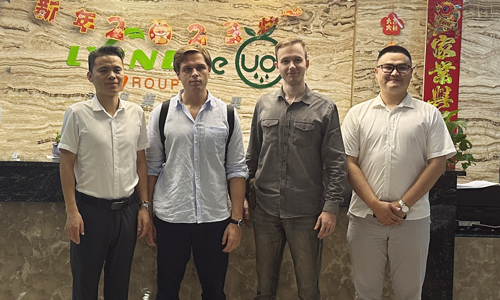
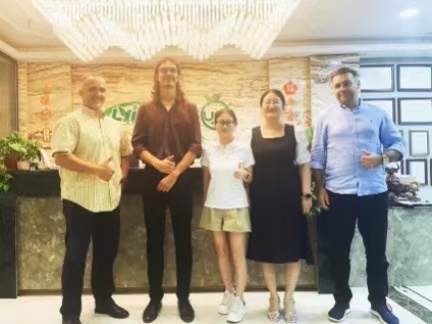
As traditional farms look to transition toward more efficient and controlled growing models, starting with small-scale validation has become a preferred approach for many growers.In March 2026, a farm owner from the United States contacted us while exploring ways to improve overall growing efficiency and crop quality through hydroponic farming. Rather than committing to a full-scale upgrade immediately, the client emphasized the importance of testing different hydroponic systems under local climate and operational conditions before making long-term investment decisions.
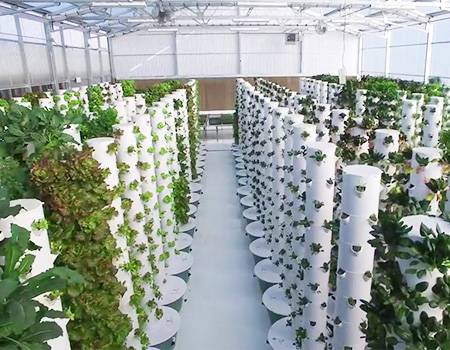
Based on the farm’s existing layout and crop planning, we proposed two complementary hydroponic solutions for pilot testing: a vertical hydroponic tower system and a Dutch bucket system. Each system was selected to support different crop types and to provide clear performance comparisons during the trial phase.
The hydroponic tower system is designed for leafy greens and herbs such as lettuce and basil. Its vertical structure maximizes space utilization and enables high-density planting, making it suitable for farms seeking increased output in limited areas. In contrast, the Dutch bucket system is better suited for fruiting crops like tomatoes and cucumbers. By combining drip irrigation with individual growing media, it supports strong root development and stable plant growth.
.jpg)
By integrating both systems within the same farm, the client is able to test multi-crop production while maintaining operational flexibility. This side-by-side evaluation allows for a clearer understanding of system stability, crop performance, and day-to-day management requirements.
At present, the client has completed sample procurement of both the hydroponic tower and Dutch bucket systems and has initiated on-site growing trials. The data collected during this pilot stage will serve as a practical reference for future scaling decisions, helping to reduce investment risk while laying the foundation for a more efficient and sustainable farming model.