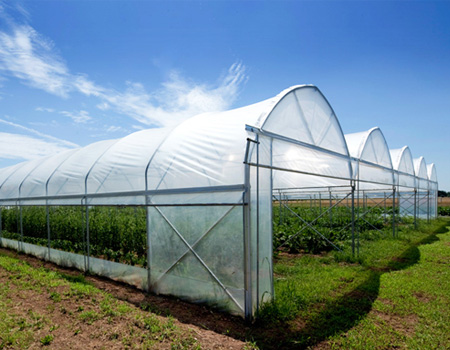
As traditional agriculture continues to shift toward more efficient and sustainable growing methods, hydroponic cultivation is receiving increasing attention from commercial growers. A farm owner from the United States contacted us, hoping to introduce hydroponic systems into his existing agricultural operation for growing trials and to explore a more efficient and stable farming solution.
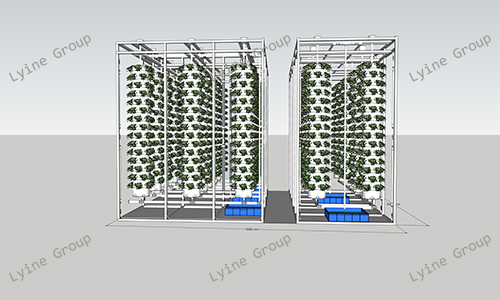
Since this was the customer’s first time trying hydroponic cultivation, he planned to begin with a small-scale test. By controlling the initial investment cost, he wanted to evaluate the actual growing performance of different systems through practical cultivation results and build a solid foundation for future expansion.Based on the customer’s crop structure and farm conditions, we recommended a combined solution of vertical hydroponic towers and a Dutch Bucket system. This combination can simultaneously cover the growing needs of leafy greens and fruiting crops, allowing the customer to compare different hydroponic methods during the same stage and more comprehensively evaluate their suitability for the local environment.
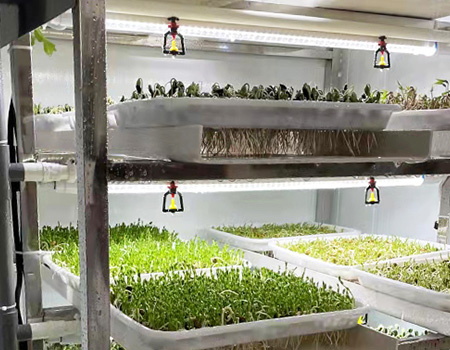
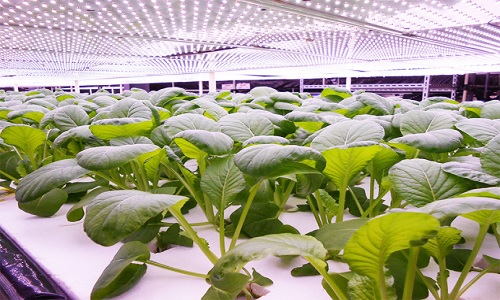
The vertical hydroponic tower features a multi-layer vertical design with a small footprint, making it highly suitable for high-density cultivation of leafy vegetables such as lettuce, spinach, kale, and various herbs. Through the recirculating water system, it can save more than 90% of water compared to traditional soil cultivation while providing a stable nutrient environment for efficient plant growth and higher yield per square meter.The Dutch Bucket system is more suitable for fruiting crops such as tomatoes, cucumbers, and peppers. Through precise drip irrigation and nutrient solution circulation, it provides continuous and stable growing conditions for the root system, making it especially suitable for medium- and long-term high-yield cultivation projects.
.jpg)
During the communication process, the customer paid special attention to the future scalability of the system and the availability of technical support. In response to this need, we introduced the flexibility of the modular system design in detail. Whether gradually increasing planting capacity or upgrading to a larger commercial hydroponic project in the future, the system can be expanded smoothly according to actual needs.
At the same time, we also committed to providing continuous planting guidance and after-sales support to help the customer successfully transition from the testing phase to large-scale commercial operation.At present, the customer has completed the sample purchase, and the project has officially entered the testing stage. Through this combined hydroponic system, he will systematically evaluate the growing performance of different crops and plan future purchasing strategies and farm upgrades based on actual results.