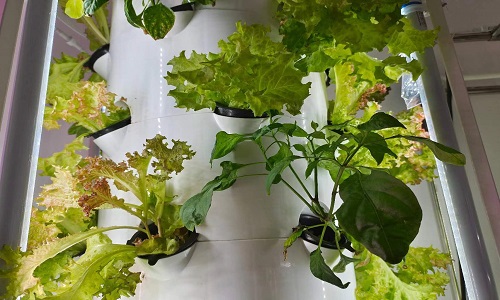
DIY hydroponic systems have become increasingly popular online, but in real-world applications, self-built setups often face multiple challenges such as unstable structures, water leakage, uneven nutrient distribution, and inconsistent growing results. As users gain more experience, many begin to recognize the advantages of professional hydroponic systems in terms of stability, efficiency, and long-term reliability, gradually shifting from DIY solutions to standardized hydroponic tower systems.
In January this year, a customer from Germany contacted us after experiencing these limitations firsthand. He had previously built a vertical hydroponic tower manually for home use, but the overall performance did not meet expectations. In addition, the DIY system was difficult to replicate and scale, limiting its potential for future expansion. As a result, he started looking for a more efficient, stable, and scalable hydroponic solution suitable for long-term use and possible commercial development.
Based on his need for indoor growing and future scalability, we recommended the 6P10 vertical hydroponic tower system. This model features a 10-layer vertical structure with 60 planting sites, enabling high-density growing within a compact footprint. Compared to DIY systems, it significantly improves space utilization and yield efficiency, making it ideal for indoor farming and future commercial expansion.
The hydroponic tower is made from food-grade PP material using one-piece molding technology, ensuring a stable and durable structure. It is equipped with a recirculating hydroponic system that continuously delivers water and nutrients to plant roots, reducing manual effort while improving growing consistency. For users transitioning from DIY systems, this standardized solution offers better reliability and ease of operation.In terms of crop compatibility, the system supports a wide range of plants, including leafy greens such as lettuce and spinach, herbs like basil and mint, and small fruiting crops. This flexibility makes it suitable for diverse indoor growing needs.
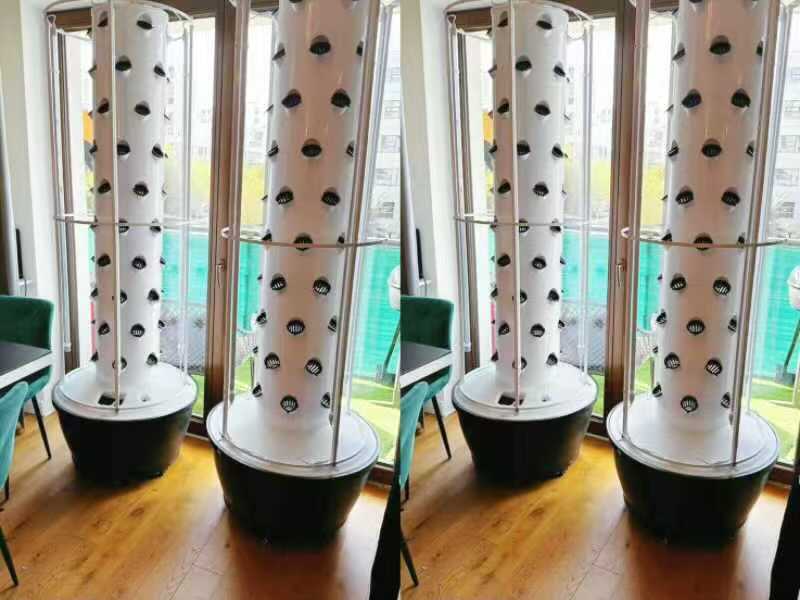
The customer ultimately decided to purchase two 6P10 hydroponic tower units for indoor testing. Through practical growing trials, he aims to evaluate system performance and gather experience for potential indoor commercial projects. This “test first, then scale” approach helps reduce initial investment risk while building a solid foundation for future expansion.



.jpg)