In the central region of Palestine, a family farm had traditionally relied on soil-based farming to grow cucumbers and some leafy vegetables. However, due to limited water resources and unstable soil conditions, both crop yield and quality were often inconsistent. To improve efficiency and sustainability, the family began exploring alternative growing methods.
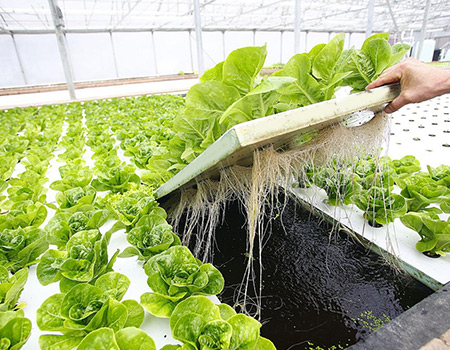
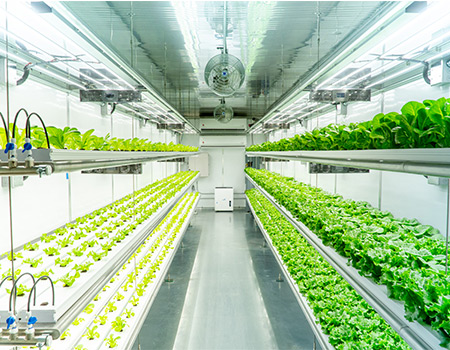
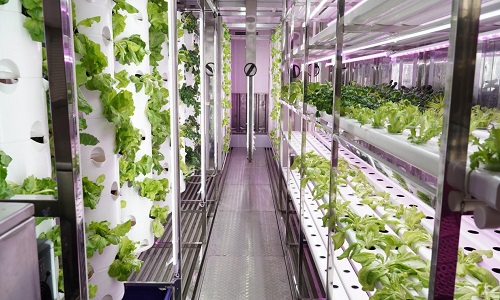
Last year, the farm introduced a vertical hydroponic tower system. The initial trial focused on fast-growing leafy greens such as lettuce and spinach. As a soil-free hydroponic system, the tower uses a recirculating nutrient solution to deliver water and nutrients directly to plant roots, significantly reducing water consumption compared to traditional farming.
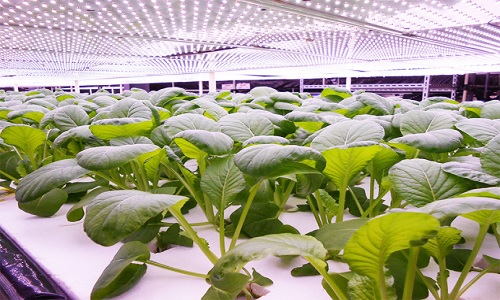
The results were quickly noticeable. Crop cycles became shorter, plants grew more uniformly, and the harvested vegetables were clean and consistent in quality. Beyond meeting daily household consumption needs, the family was also able to sell surplus produce at the local market, creating additional income through small-scale commercial hydroponic farming.
Encouraged by these results, the family has recently expanded the use of the hydroponic tower system. A new batch of different lettuce varieties is currently growing well in the towers. At the same time, the family has successfully raised tomato seedlings indoors and plans to transplant the healthy seedlings into the hydroponic system, aiming to evaluate fruit crop performance under controlled hydroponic growing conditions.
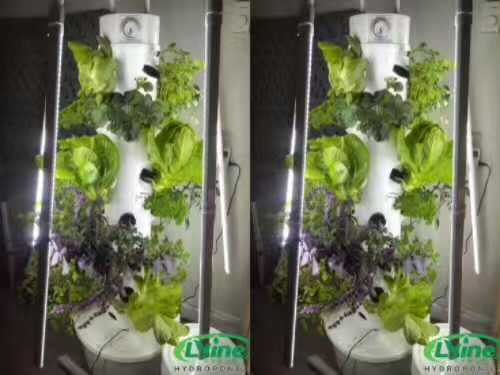
According to the customer, the system is easy to operate and maintain, effectively reducing dependence on water availability and soil quality. This has made diversified, small-scale hydroponic vegetable production more sustainable for a family farm setting. As they continue to gain experience, the family plans to expand into additional crop varieties using the same hydroponic growing system.